You picture permits as something you only need if you’re building a new room or a garage, not for reshaping your yard. But many outdoor construction projects need that same kind of local sign-off. The possibility of steep fines or a forced teardown is central to what homeowners should know about landscaping permits before a crew breaks ground. Unresolved violations can also create trouble at resale.
Pear Tree Property Services has provided landscape design services and property upkeep solutions across Massachusetts’ South Shore since 2015. Project manager Jesse Sellier combines a decade in landscape maintenance with two years in civil construction. Cory Devlin also brings more than five years of South Shore property maintenance experience, and Joe Cook brings 12 years in landscaping and OSHA 10 training.
Below, our team shares what you should know about landscaping permits before breaking ground.
When Are Landscaping Permits Required?
Landscaping permits are typically required for structural or drainage changes, while utility connections can require separate approvals from South Shore towns. Here are some scenarios when landscaping permits are required:
- Installing retaining walls or grade changes: Walls exceeding your town’s height limit, often three to four feet, require building permits supported by engineering review and load calculations before work starts.
- Adding a patio or surface: Adding a stone or paver patio increases impervious surface, which may trigger coverage and setback reviews under local zoning regulations, as well as separate stormwater management requirements.
- Grading and major excavation: Large-scale earthmoving changes drainage patterns, so towns require a site plan review to protect your neighbors’ property from runoff and erosion.
- Coastal landscaping and wetland buffers: Work near protected water resources needs approval from local conservation commissions under wetland protection rules before any digging starts.
- Installing any utility-integrated structures: An outdoor kitchen or fire feature may require trade permits for gas or plumbing connections, with electrical work reviewed separately.
Confirming which local requirements apply to your yard is a must.
Projects That Typically Do Not Require Permits
Not every yard project needs a trip to town hall, and these usually move forward without one:
- Routine softscaping: New plants or turf generally require no permit.
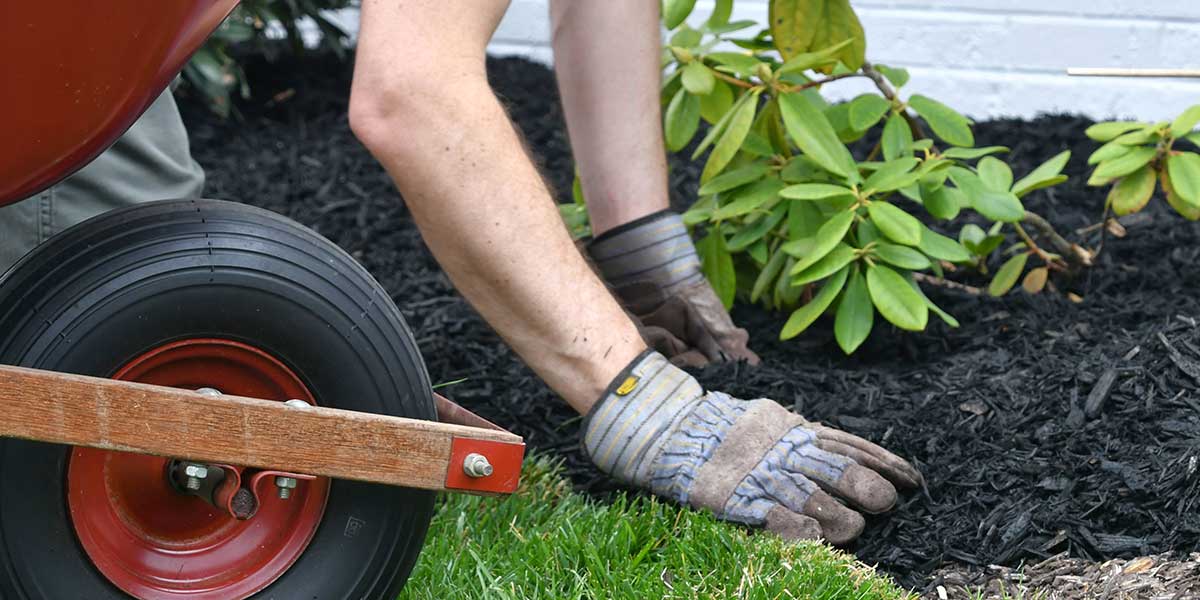
- Standard maintenance: Mulching or pruning generally does not need approval.
- Minor surface repairs: Garden bed fixes or other repairs that leave grading and drainage unchanged usually do not need permits.
For a broader primer on techniques and design, check out all about landscaping before you start planning.
The Value of Professional Civil and Safety Standards
Professional oversight supports responsible project execution. The civil and operational standards ensure the following:
- Safe equipment use: Credentialed operators with 2A hoisting licenses ensure safe excavation and material transport on tight residential lots. Enforcing strict workplace safety standards protects the homeowner’s property and workers on site.
- Dig Safe compliance: Calling 811 before breaking ground locates utility lines and protects crews on site.
- Sustainable site practices: Integrated Pest Management supports a more measured approach to landscape care. Crews can optimize routes to reduce emissions and recycle or compost debris with local farms.
Together, these standards keep projects safe while helping on-site work proceed efficiently and remain code-compliant.
How Partnering With an Experienced Team Streamlines the Process
A partner who understands local permitting can evaluate your site, plan the structural details, and then file the paperwork with your town before construction starts. That early planning helps you avoid structural instability or drainage problems that violate local zoning rules, both of which cost far more to fix after construction than to plan for beforehand. When planning site transformations and selecting landscape design styles, balancing aesthetics with proper grading can help support long-term drainage performance.
Comprehensive property care doesn’t stop once construction wraps up. The same team that secured your permits can transition to long-term maintenance, keeping the new hardscaping and drainage performing as designed for years. That continuity protects the investment you made in doing the project right the first time.
Build It Right With Pear Tree Property Services
We’ve found that the most useful thing homeowners can learn about landscaping permits is that a five-minute call to the town’s building department is always worth it in the end. Confirming local requirements before work begins can help keep the project moving and prevent avoidable delays. When hiring a landscape company, confirming local permitting requirements before work begins can help keep the project moving smoothly and reduce the risk of avoidable delays. Before choosing a contractor, review our guide on the questions to ask before hiring a landscape company.
Pear Tree Property Services brings more than 10 years of South Shore experience, military-trained construction management, and a proven commitment to job-site safety. Contact the Pear Tree Property Services team at (781) 204-4348 to request a quote and bring your outdoor project to life with confidence.