When the leaves drop and the perennials die back, your yard can look flat and gray for months. With thoughtful landscape design, however, your property can retain its shape and color through the colder months.
In this guide, Pear Tree Property Services explains how to add winter interest to your landscape with plants and permanent features.
Build a Strong Winter Framework
The first step in adding winter interest to your landscape is choosing plants that hold their form after the leaves fall. Evergreen trees and shrubs work well because they retain their foliage throughout the year. Tall spruce and pine add height and privacy, while boxwood forms a low green backdrop for brighter plants.
Place structural plants where they count, such as in these high-visibility spots:
- Entrances: A pair of evergreen shrubs beside a front door frames the entry all year.
- Walkways: Low shrubs along a path define the route while nearby beds sit dormant.
- Window views: A striking shrub outside a frequently used window adds winter color.
The rest of your plantings can then fill in the space around these anchor points.
Layer in Winter Color and Texture
Next, layer in plants that keep your yard from looking asleep:
- Contrast against snow: Colorful berries and bark stand out in a white landscape. Female winterberry holly holds bright red fruit when a compatible male grows nearby, and red-twig dogwood adds vivid stems.
- Motion in the wind: Ornamental grasses sway, and their dried plumes catch frost. You can leave them standing through winter and cut back most types in early spring.
- Cold-season blooms: Winter-blooming flowers typically do best in sheltered spots out of harsh wind. Hybrid witch hazel, for example, opens spidery blooms in late winter.
Winter-interest plants often look better in groups. Red-berried shrubs, for example, stand out against a dark hedge.
Winter also reveals hardscape features that foliage hides during warmer months. Use paths and garden borders to connect evergreen groupings, and add a bench or trellis to create a focal point. Place these features where they remain visible from windows and main walkways.
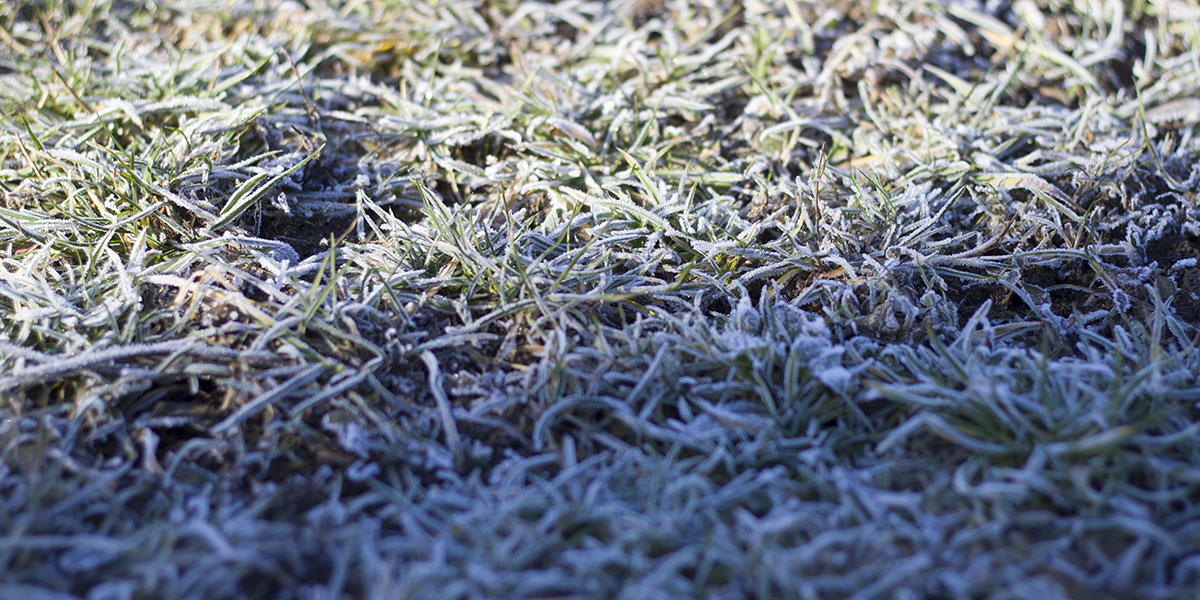
Frost on seed heads and bare branches can also catch morning light, adding detail without relying on flowers.
Plan for a Four-Season Landscape
Four-season landscape design balances winter features with plants that perform year-round. Oakleaf hydrangea offers summer blooms and red fall leaves before winter reveals peeling bark.
Choose plants suited to their specific location in your Norwell landscape. Species should be hardy enough for local winters. Check each bed’s sunlight and drainage before planting as well.
This guide to planting grass in fall and winter can help you decide when to use dormant seeding for spring growth. Cool-season grasses common in New England establish best when seeded in late summer or early fall. Once the soil becomes too cold for germination, the seed may stay dormant until it warms in spring.
Careful placement and seasonal upkeep help you sustain winter interest in your landscape without crowding your beds. Space shrubs for their mature size. In late winter or early spring, remove about one-third of the oldest red-twig dogwood stems, since younger stems show the brightest color.
Keep Your Yard Beautiful All Winter With Our Lawn Care Company in Norwell, MA
A yard with lasting winter appeal starts with evergreen structure and grows richer as you add seasonal color. Whether you’re designing a small backyard or updating a larger property, our team can select and place winter-ready plants for you.
As a lawn care company in Norwell with deep knowledge of local soil and climate, we also design and plant custom softscapes. Call Pear Tree Property Services at (781) 204-4348 to learn more about how to add winter interest to your landscape. We serve communities throughout the South Shore.
Frequently Asked Questions
These quick answers cover more about how to add winter interest to your landscape.
Can Landscape Lighting Make a Yard More Attractive During Winter?
Yes, landscape lighting can make a yard more attractive in winter by highlighting its best features during long, dark evenings. Uplights near the base of a tree draw attention to its bark and branches, especially against snow.
What Materials Work Well in Outdoor Winter Containers?
Fresh-cut evergreen boughs work well in winter containers because they stay green in cold weather. Pots made from fiberglass or concrete generally withstand freezing temperatures better than clay or ceramic pots.
Does Mulch Improve a Landscape’s Winter Appearance?
A fresh, even mulch layer gives dormant beds a cleaner look while insulating shallow roots from repeated freezing and thawing.