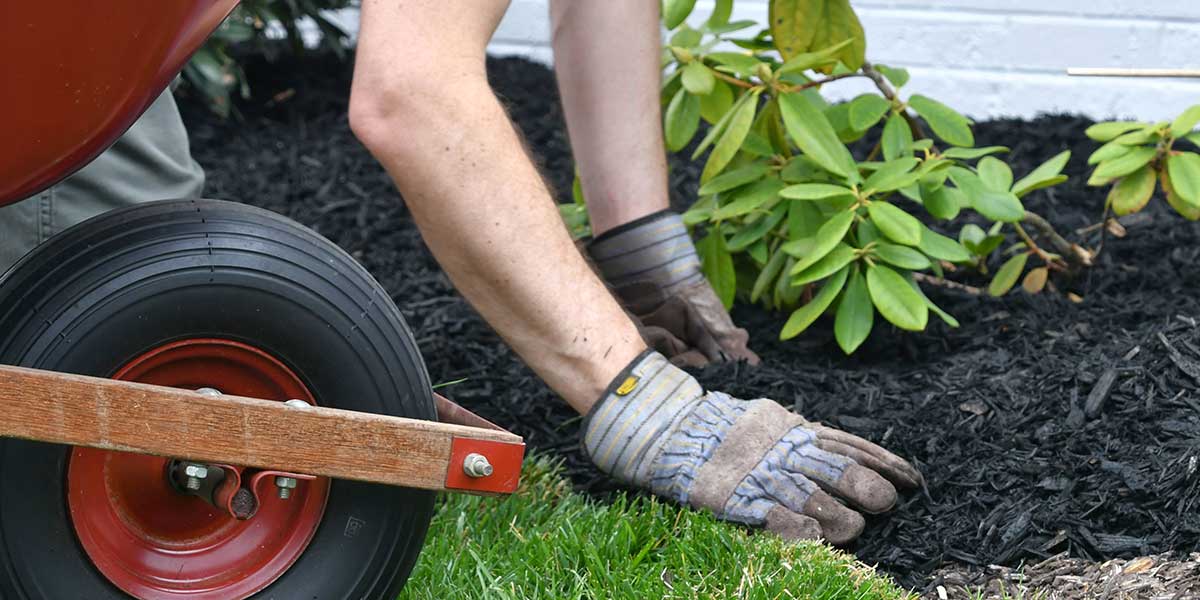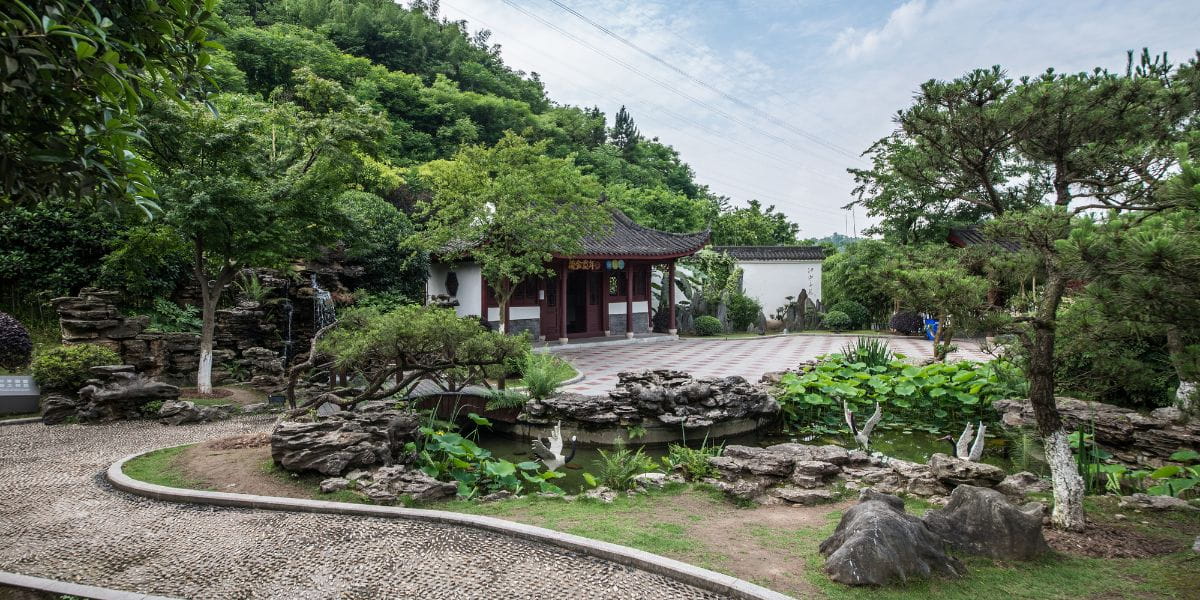
Landscape construction is where a nice yard becomes a usable yard.
This is the difference between staring at a patch of grass thinking, “We should really do something with that,” and actually having a patio where people gather, a walkway that does not wobble like it has secrets, or a retaining wall that handles a slope instead of letting the slope bully the whole property.
Professional landscapers do not start with pavers, walls, plants, or machinery.
They start with a plan.
Annoying? Maybe. Necessary? Absolutely.
Because a landscape construction project is not just about making something pretty. Pretty is lovely. Pretty gets the compliments. Pretty makes the neighbors slow down just enough to pretend they are not looking.
But professional landscapers know the real win is building something that works. It needs to drain properly, fit the property, match how people actually live, and hold up through South Shore weather, foot traffic, freeze and thaw cycles, and the occasional “I thought this would be a quick weekend project” moment.
Spoiler: it was not quick.
Why Professional Landscapers Begin With Site Analysis
Before professional landscapers plan a patio, walkway, retaining wall, or garden redesign, they need to understand the property.
This is where the real work begins.
A good site analysis looks at:
- Existing slopes and grade changes
- Drainage patterns
- Soil conditions
- Sun and shade exposure
- Current lawn and bed layout
- Existing trees, shrubs, and roots
- Access points for equipment and materials
- How people move through the property
- Where water collects after storms
- How the finished space should be used
This step matters because the land already has a story. Ignore that story, and the project may look great for a season, then start shifting, pooling water, cracking, washing out, or making everyone deeply regret their optimism.
University Extension landscape design guidance emphasizes evaluating how a landscape site will be used, identifying hardscapes and softscapes, and designing around client needs. That is exactly where smart construction planning begins. Penn State Extension on residential landscape design basics
Professional landscapers are not just asking, “What do you want built?”
They are asking, “What will this property allow us to build well?”
Big difference.
Step 1: Define the Purpose of the Project
Every successful landscape construction project needs a clear purpose.
That sounds obvious, but many projects go sideways because the goal is fuzzy.
A homeowner might say, “We want a patio.”
Great. But what kind of patio?
A quiet morning coffee patio? A large family gathering patio? A grill station? A fire pit area? A poolside space? A place to sit while silently judging the weeds in the flowerbed?
No judgment. We have all been there.
Professional landscapers help define the goal before designing the layout.
Common Project Goals
A landscape construction project may be planned to:
- Create outdoor entertaining space
- Improve access from the driveway to the house
- Control erosion on a slope
- Add structure to garden beds
- Improve safety on uneven ground
- Create a low-maintenance outdoor living area
- Redesign an outdated landscape
- Increase curb appeal
- Improve drainage around problem areas
When the purpose is clear, the design becomes stronger.
A walkway designed for everyday use should not feel like a decorative afterthought. A retaining wall built to manage a slope should not be treated like a garden ornament. A patio meant for entertaining needs enough room for furniture, movement, and real life.
Real life includes coolers, chairs, kids, dogs, guests who stand exactly where everyone needs to walk, and someone who always opens the grill at the wrong moment.
Plan for reality.
Step 2: Study Drainage Before Anything Gets Built
Drainage is not the glamorous part of landscape construction.
Nobody brags at a cookout, “You should see the way water moves away from this patio.”
Actually, professional landscapers might.
Because drainage is everything.
Poor drainage can cause patios to sink, walkways to shift, mulch to wash out, lawns to thin, and retaining walls to fail. Professional landscapers study how water moves across the property before construction begins.
They look for:
- Low spots
- Erosion
- Standing water
- Downspout discharge areas
- Soil washout
- Slopes directing water toward the house
- Existing hard surfaces that increase runoff
Extension resources note that runoff can contribute to erosion and water quality problems, and recommend limiting paved areas, retaining natural landscapes, and inspecting erosion control during construction. University of Minnesota Extension on minimizing runoff
For properties near coastal or scenic areas, such as a home not far from World’s End in Hingham, drainage and runoff planning are especially important because water movement, slopes, exposure, and soil conditions can vary significantly.
One landmark mention. We behaved.
Step 3: Choose the Right Materials
Materials should not be selected only because they look nice in a sample photo.
That is how people get into trouble.
Professional landscapers choose materials based on appearance, durability, maintenance needs, budget, site conditions, and how the finished space will be used.
Common Landscape Construction Materials
For patios and walkways:
- Concrete pavers
- Natural stone
- Brick
- Gravel
- Permeable pavers
- Flagstone
For retaining walls:
- Segmental wall blocks
- Natural stone
- Granite
- Concrete wall systems
- Timber in limited applications
For garden redesigns:
- Loam
- Compost
- Mulch
- Edging materials
- Shrubs
- Perennials
- Ornamental grasses
- Trees suited to the site
Permeable paving can be especially useful in the right setting because it allows rain and snowmelt to move through the surface into a prepared base below. Penn State Extension explains that porous and permeable paving materials must be installed over a carefully prepared subsurface to work properly. Penn State Extension on porous and permeable paving
Translation: the pretty top layer is only part of the story.
The base matters.
The prep matters.
The stuff you do not see matters most.
Rude, but true.
Step 4: Plan the Base, Grade, and Structure
This is the part homeowners rarely see on finished project photos.
The excavation. The grading. The compacted base. The drainage layer. The careful measurements. The repeated checking. The slow, fussy, unglamorous work that makes everything else possible.
Professional landscapers know a patio is not just pavers. A walkway is not just stone. A retaining wall is not just blocks stacked with confidence and a prayer.
The base must be prepared correctly.
For patios and walkways, this may include:
- Excavation to the proper depth
- Base material installation
- Compaction
- Grading for water movement
- Edge restraints
- Bedding layer preparation
- Careful alignment and finishing
For retaining walls, planning may include:
- Wall height and purpose
- Soil pressure
- Base preparation
- Drainage behind the wall
- Backfill material
- Step integration
- Permit or engineering needs when applicable
This is where professional landscapers earn their keep.
A project can look finished on day one and still be wrong underneath. The goal is not just “done.”
The goal is done correctly.
Step 5: Connect Hardscape and Softscape
Landscape construction should not look like someone dropped a patio into the yard and fled the scene.
Professional landscapers plan how hardscape and softscape work together.
Hardscape includes patios, walkways, walls, steps, and stone features. Softscape includes lawns, trees, shrubs, flowers, mulch, and garden beds.
The best projects blend both.
A patio may need planting beds around it to soften the edges. A walkway may need edging, mulch, and low plantings to feel intentional. A retaining wall may need shrubs or perennials above it to connect it back into the landscape.
Good design creates flow.
Great design makes the whole property feel like it was always meant to work that way.
Step 6: Build for Maintenance, Not Just the Reveal
Everyone loves the big reveal.
Fresh pavers. Clean lines. New plantings. Crisp mulch. The whole property looking like it finally got its life together.
Wonderful.
But professional landscapers also think about what happens six months later.
Will weeds take over the beds? Will shrubs outgrow the walkway? Will the patio collect leaves in one impossible corner? Will the slope wash mulch into the lawn every time it rains? Will the homeowner realistically maintain the space?
This is why Pear Tree Property Services connects landscape construction with long-term maintenance planning.
A smart construction project should be easier to care for, not harder.
Maintenance-Focused Recommendations
Professional landscapers may recommend:
- Wider bed edges for easier mowing
- Mulch installation for weed suppression and moisture retention
- Plant choices suited to the site
- Walkway layouts that support natural foot traffic
- Retaining walls that make slopes easier to manage
- Patio sizes that match actual furniture needs
- Seasonal clean-ups to protect the finished investment
Because the best landscape construction project is not the one that looks amazing for one weekend.
It is the one that still makes sense after summer cookouts, fall leaves, winter weather, spring growth, and that one guest who drags a chair across the patio like furniture has personally offended them.
FAQs About How Professional Landscapers Plan Construction Projects
How long does landscape construction planning take?
Planning depends on project size, site conditions, materials, and design complexity. A simple walkway may be faster to plan than a patio, retaining wall, or full garden redesign.
Do professional landscapers check drainage before building?
Yes. Drainage is one of the most important parts of planning. Poor water management can lead to shifting, erosion, pooling, and long-term damage.
What should I know before requesting a patio or walkway?
Know how you want to use the space, how many people it should fit, your style preferences, and any problem areas like slopes, puddles, or uneven ground.
Can professional landscapers help with low-maintenance designs?
Yes. Professional landscapers can recommend materials, layouts, mulch, edging, and plantings that reduce upkeep while improving curb appeal and usability.
Final Thoughts: Better Planning Creates Better Projects
Landscape construction is exciting.
It is also full of tiny decisions that become very expensive when ignored.
This is why professional landscapers plan before they build. They study the site, solve drainage concerns, choose materials carefully, prepare the base correctly, and think through long-term maintenance before the first stone is set.
The work may not always be glamorous.
The measuring, grading, excavating, compacting, and adjusting may not make for the flashiest Instagram caption.
But that is the part that makes the project last.
And when the patio drains properly, the walkway feels natural, the retaining wall does its job, and the finished landscape looks like it belongs?
That is the payoff.
Not chaos.
Not guesswork.
Not a weekend project that becomes a family legend for all the wrong reasons.
Just a better outdoor space, built with intention.
Ready to Plan Your Landscape Construction Project?
Pear Tree Property Services helps homeowners and commercial property owners across the South Shore plan and build outdoor spaces that are beautiful, functional, and built with care. From patios and walkways to retaining walls, garden redesigns, small-scale excavation, softscape services, and long-term maintenance, our team is here to help you make the most of your property.
Call Pear Tree Property Services today at (781)204-4348 or visit our Landscape Construction Service page to get started.
We Install. We Maintain. You Enjoy.