You’ve been watering your lawn on schedule, mowing at the right height, and fertilizing on time, yet patches of grass are still turning brown. If this sounds familiar, grubs could be causing the problem.
Knowing how to identify grub damage early can save you from losing large sections of turf. Professional lawn maintenance in Norwell, MA, can also help you identify problems before they spread. Pear Tree Property Services created this guide to help homeowners recognize the warning signs before grub damage becomes severe.
What Are White Grubs?
Many common lawn beetles, including Japanese beetles and European chafers, begin life underground as white grubs. These larvae live just beneath the soil surface, where they feed on grass roots throughout the summer and into fall.
Because the damage happens underground, it’s often well underway before you notice anything wrong above the surface. Anyone interested in maintaining a perfect lawn understands that healthy roots are essential for green, healthy grass. Unfortunately, grubs feed on those roots first.
Recognizing the Early Signs
Learning how to identify grub damage starts with knowing what separates it from other common lawn issues. Drought stress and fungal disease can look similar at first glance, but grub damage tends to follow a distinct pattern. Here’s what you should watch for:
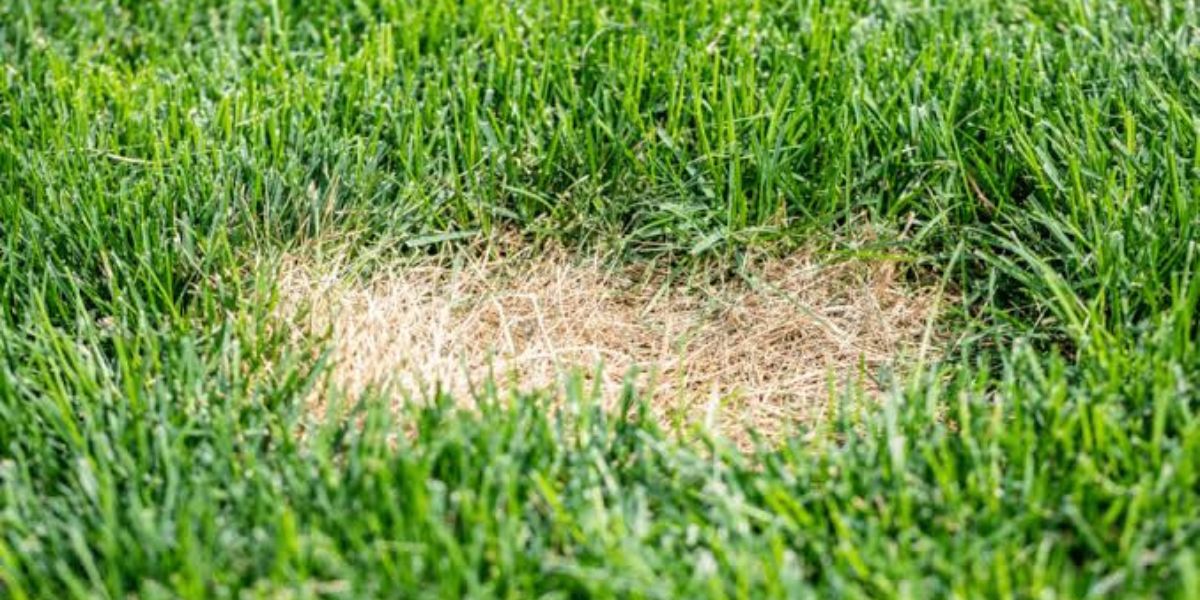
Brown Patches That Keep Spreading
One of the clearest signs is the appearance of brown patches that gradually spread, even with consistent watering. As damaged grass thins and bare soil becomes exposed, knowing how to identify lawn weeds can help you address unwanted growth before it becomes established. Unlike drought stress, which usually affects the whole lawn evenly, grub damage tends to show up in irregular sections that grow larger as the grubs continue feeding.
These patches often become more noticeable in late summer, when grub populations are at their largest. Since grass roots have already been damaged by this point, no amount of watering will bring the affected areas back on their own.
If you are trying to learn how to identify grub damage, consider how your lawn responds over time. Dormant grass generally recovers when growing conditions improve, but grass damaged by grubs continues to decline because the roots are no longer able to support healthy growth. When planning your lawn’s recovery and overall appearance, exploring different types of landscape design styles can help you create a cohesive outdoor space that complements healthy turf.
Spongy Turf and Sod Peeling Back
Another sign worth checking for is spongy turf that feels loose underfoot. Grass with damaged roots loses its connection to the soil, so walking across an affected area may feel softer or bouncier than healthy turf nearby.
In more advanced cases, you’ll notice sod peeling back easily, almost like pulling up a loose carpet. If you can lift a section of dead grass with little resistance, that’s a strong indicator that grubs have already destroyed the root system underneath.
Increased Pest Activity
Damage to the grass is only part of the picture. These additional signs can help confirm a grub problem:
-
- Increased digging activity: Raccoons and skunks may dig up small holes or patches, digging for grubs as a food source.
- Birds probing the lawn: Crows and other birds pecking at the turf may be searching for grubs near the surface.
Confirming What You’re Dealing With
If you suspect grubs, a simple check can help confirm the problem. Cut a small section of turf at the edge of a damaged patch and fold it back to inspect the soil underneath. If extensive grub damage has left large areas of bare or weakened turf, professional hydroseeding solutions can help restore an even, healthy lawn where grub damage has left large areas bare or weak.
White, C-shaped larvae in the top few inches of soil are a clear sign of an active infestation. Finding multiple grubs in a small area usually means the population is large enough to cause ongoing damage if left untreated. If the turf is thin but does not peel back like sod, the cause may be something else, so review how to fix thin, patchy grass before treating for grubs.
Frequently Asked Questions
Here are a few common questions homeowners ask about grub damage.
Grub damage often becomes visible several weeks after eggs hatch, once the larvae have grown large enough to cause noticeable root loss.
Grub damage can resemble drought stress or fungal disease, which is why checking for spongy turf or peeling sod helps confirm the cause.
Yes, grubs tend to be the biggest problem in late summer and early fall, when larvae are largest and feeding most actively.
The key principles of designing a small backyard include:
- Defining functional zones
- Maximizing vertical space
- Keeping hardscaping to scale
- Choosing elements that serve multiple purposes
Protecting Your Lawn Going Forward
Learning how to identify grub damage helps you catch problems early. Pear Tree Property Services works with homeowners throughout Norwell, MA, to keep lawns healthy through every season. Our team can walk you through how professionals maintain your lawn and what a treatment plan might look like for your specific property.
To schedule an inspection with us, call (781) 204-4348.