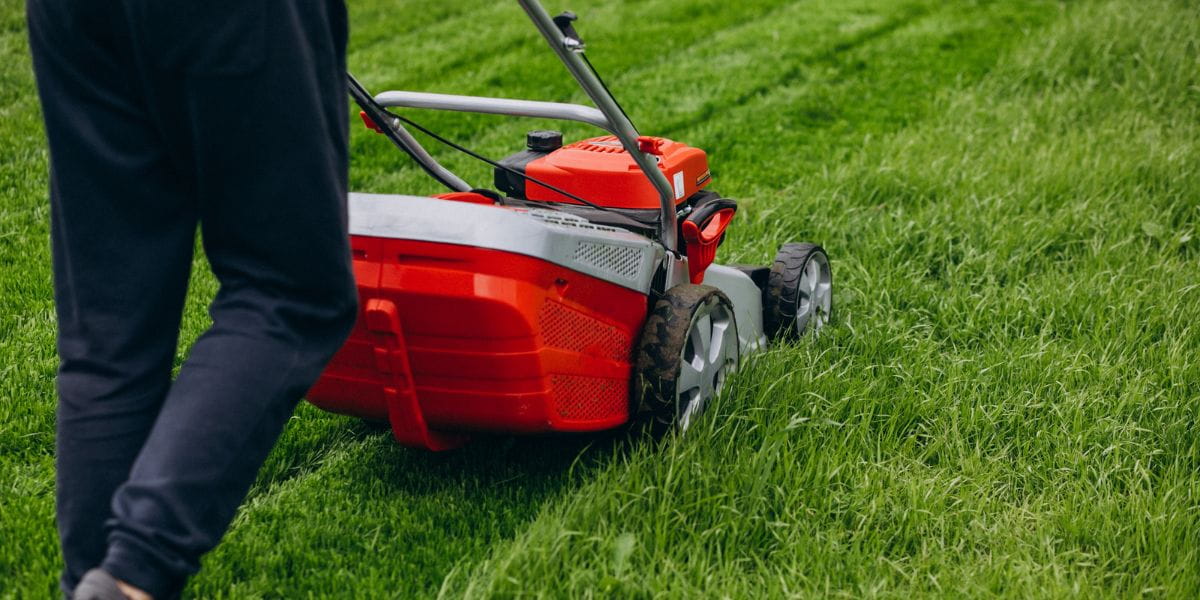
Mowing your lawn may be a time-consuming chore, but it’s a necessary one. Cutting your grass regularly improves your lawn’s appearance and protects it from environmental stressors like drought and pests. So, how often should you mow your lawn?
The Importance of Regular Lawn Maintenance in Norwell, MA
Maintaining a yard full of healthy green grass takes time and care throughout the year, especially in places with distinct seasonal changes. Professional lawn maintenance can keep your yard in excellent condition. Services typically include lawn mowing, trimming, edging, and fertilization, which work together to protect yards from invasive weeds and pests.
Regular upkeep can boost your property’s curb appeal by giving your outdoor space a neat, manicured appearance. It can also support healthy grass growth long-term. If you’re considering professional lawn maintenance in Norwell, MA, to save time and ensure optimal results, consider learning more about how expert services can keep your outdoor spaces looking their best.
The General Lawn Mowing Frequency
A key part of lawn maintenance is mowing at the right frequency. How often should you mow your lawn?
The ideal mowing schedule, in many cases, is once weekly in the spring and early fall, which are peak growing seasons. In the summer, when temperatures rise, you can adjust the schedule to every 10 to 14 days.
Factors That Affect Mowing Frequency
The proper mowing schedule for your property may differ from your neighbors’. Several elements influence how often you should mow your lawn.
Seasons
Grasses grow according to seasonal cycles. Warm-season varieties grow more in the summer, while cool-season grasses grow more in the spring and early fall. Lawns typically need more frequent mowing sessions during their growing seasons.
Most grasses are dormant in the winter, so mowing is usually unnecessary at this time of year.
Weather Conditions
Grass tends to grow faster in rainy conditions, so you may need to mow more often due to constant rainfall. However, growth slows in hot, dry weather. In that case, it’s best to let conditions improve to avoid cutting stressed grass.
Grass Growth Rate
Some grasses grow faster than others. Cool-season species like Kentucky bluegrass and tall fescue grow quickly in the spring and fall, while warm-season varieties like Bermuda grass and St. Augustine grass are more active in the summer. Before answering “How often should you mow your lawn?” you should identify your grass type to better predict its needs.
Signs You’re Not Mowing Your Grass Often Enough
The last thing you want to do is wait too long between mowing sessions. If you’re unsure whether you’re cutting your grass often enough, consider these warning signs:
- Long grass clippings after mowing
- Slower lawn recovery after each mowing session
- Thin, patchy grass due to overgrown blades with weakened density
- Mower cuts too low due to overgrown grass, exposing grass stems or soil
Cutting grass after letting it grow for too long can stress the plant. By recognizing the signs of an unhealthy lawn early, you can adjust your mowing schedule or pursue professional lawn care to address your yard’s issues.
Frequently Asked Questions About Mowing Frequencies
Here are answers to questions homeowners often ask about how often they should mow their lawns.
What Are the Benefits of Consistent Mowing?
The benefits of following a proper mowing schedule include healthier grass growth, improved curb appeal, and reduced risk of weed growth or fungal infections.
What Is the Ideal Mowing Height?
The ideal mowing height for most residential lawns is about three to four inches. At this height, the grass can develop deep roots and get enough natural shade from the blades to retain moisture in the soil.
How Do I Know if I’m Mowing My Grass Too Often?
Warning signs that you’re mowing your grass too frequently include thinning patches, excessive thatch buildup, and yellow or brown tips on grass blades.
What Should I Do With the Grass Clippings After Mowing?
Proper management of grass clippings includes leaving them on the lawn after mowing, rather than raking, bagging, and removing them. This approach allows them to decompose and provide nutrients to the soil, which promotes healthy grass growth.
Let Our Professionals Help Maintain Your Lawn
Understanding the answer to “How often should you mow your lawn?” will help you plan seasonal lawn care. At Pear Tree Property Services, we provide comprehensive lawn care services in Norwell, MA, including mowing, edging, and seasonal cleanups. Our specialists know how to keep lawns looking their best year-round.
For more information about a lawn service versus a full-service landscape company, or to request an estimate for lawn maintenance services from Pear Tree Property Services, call (781) 204-4348.