There is a moment in every yard where the truth steps out from behind the hydrangea and waves.
Sometimes it is a tired lawn pretending everything is fine.
Sometimes it is mulch piled too high around a tree like someone tucked it in for a brutal New England winter and forgot to come back.
Sometimes it is a walkway that looked charming ten years ago, but now has the subtle ankle-breaking energy of a medieval obstacle course.
This is why a property analysis matters.
When professional landscapers walk a property, they are not just admiring the view, though a good view never hurts. They are reading the landscape. They are looking at what is healthy, what is stressed, what is costing you time, what is quietly getting worse, and what could make the whole property look cleaner, safer, and easier to enjoy.
For homeowners and commercial property owners across the South Shore, from Rockland to Hingham, this is especially important in summer. By late June, your property has usually stopped whispering and started announcing its problems with a microphone.
Why Professional Landscapers Start With the Big Picture
A property analysis is not simply a quote. It is more like a diagnostic checkup.
Professional landscapers look at the whole property before recommending services because one issue often causes another. A patchy lawn may not be a mowing problem. It might be compacted soil, too much shade, poor drainage, dull mower blades, or watering habits that are more “panic sprinkler” than actual strategy.
University Extension lawn guidance often emphasizes timing lawn care around turf growth cycles, especially because cool-season grasses grow most actively in spring and fall and slow down during summer heat. That matters because the right service at the wrong time can waste money or stress the lawn further. University of Minnesota Extension lawn care calendar
So before anyone starts throwing seed, fertilizer, mulch, or money at the yard, professional landscapers ask better questions.
What is the property trying to tell us?
And yes, sometimes the property is yelling.
1. Lawn Health, Mowing Patterns, and Summer Stress
The lawn is usually the first thing people notice, mostly because it takes up the most visual space and has zero ability to hide its bad decisions.
During a property analysis, professional landscapers look for:
- Thin or bare patches
- Weed pressure
- Drought stress
- Uneven growth
- Scalping from mowing too short
- Clumped grass clippings
- Poor trimming around edges, beds, fences, and walkways
- Signs of compaction or drainage issues
Mowing height is a big one. Many homeowners mow too short because they think it buys them more time between cuts. Adorable theory. Unfortunately, short mowing can stress turf and encourage weeds. Extension guidance notes that regular mowing with sharp blades and proper height helps grass grow vigorously and maintain density. University of Minnesota Extension mowing practices
A professional analysis helps determine whether your lawn needs better weekly maintenance, improved mowing practices, targeted weed control, aeration planning, or a seasonal recovery strategy.
Example Recommendation
If a lawn is growing unevenly in late June, Pear Tree Property Services may recommend consistent weekly lawn maintenance, trimming, and a review of watering and mowing height before suggesting more intensive corrective work.
Because sometimes the “big fix” is actually consistency.
Rude, but true.
2. Edges, Borders, and the Clean-Line Test
Want to know one of the fastest ways to make a property look professionally maintained?
Edges.
Crisp bed edges, clean walkway lines, and neat lawn borders can make even a simple landscape look polished. During a property analysis, professional landscapers check whether garden beds have lost their shape, whether grass is creeping into mulch areas, and whether walkways or driveways need sharper definition.
This matters because messy edges create visual noise. The property may be healthy, but if the lines are sloppy, the whole yard can look unfinished.
Professional edging is especially helpful near:
- Front walkways
- Driveways
- Foundation beds
- Garden beds
- Patios
- Commercial entryways
Think of edging as the haircut of the landscape.
You can have a great outfit, but if the hair is chaos, everyone notices.
3. Mulch Depth, Weed Control, and Plant Protection
Mulch is one of those services that seems simple until it is not.
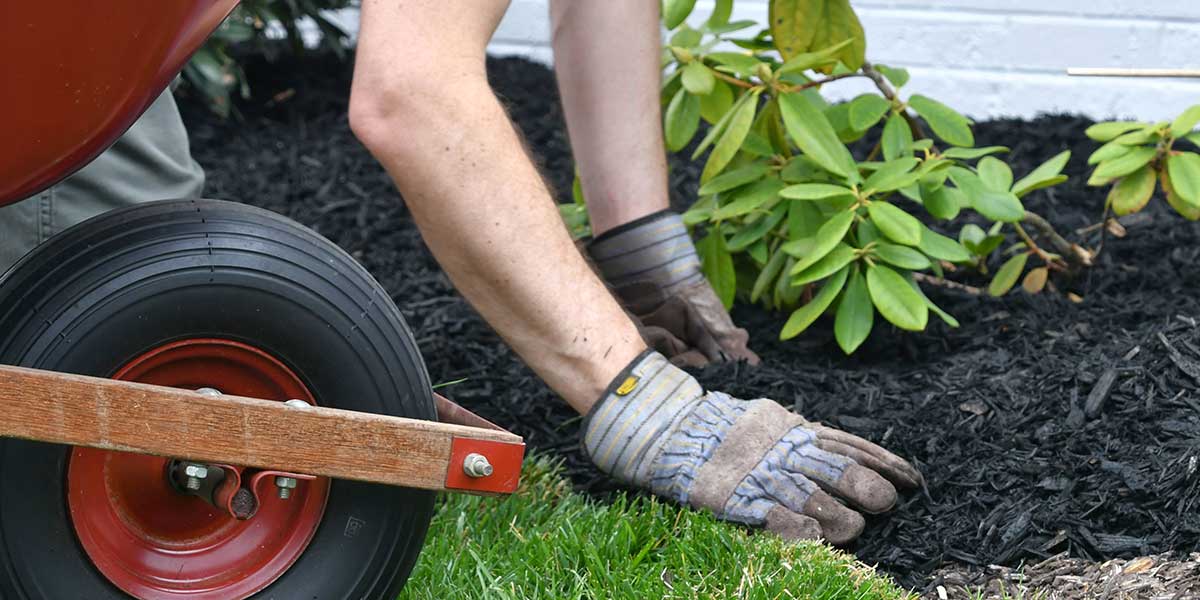
Professional landscapers look at mulch depth, age, placement, and whether it is helping or hurting plants. Mulch can conserve soil moisture, moderate soil temperatures, reduce weeds, protect roots, and prevent mower or trimmer damage around trees and shrubs. University of Maryland Extension on excess mulch problems
But too much mulch can create problems.
The classic offender is the mulch volcano, where mulch is piled high against the trunk of a tree. It looks intentional. It is not ideal. Excess mulch can hold moisture against bark, encourage decay, and create plant health issues over time.
Professional landscapers look for:
- Mulch piled against trunks or stems
- Thin mulch that no longer suppresses weeds
- Weeds breaking through beds
- Washed-out mulch after rain
- Bed lines that need redefining
- Soil exposure around plants
Example Recommendation
If mulch is thin and weeds are gaining ground, Pear Tree may recommend bed edging, weed control, and fresh mulch installation. If mulch is too deep around trees, the first recommendation may be correction, not adding more material.
Because more is not always better.
This is landscaping, not nachos.
4. Shrubs, Trees, and Pruning Needs
Pruning is where a lot of landscapes quietly go sideways.
A shrub that needed light shaping two seasons ago may now be blocking windows, rubbing against siding, crowding a walkway, or hiding the architectural features you paid a lot of money to own.
During a property analysis, professional landscapers check for:
- Overgrown shrubs
- Dead, damaged, or crossing branches
- Plants touching the house
- Shrubs blocking walkways or sightlines
- Flowering shrubs pruned at the wrong time
- Plants outgrowing their space
- Safety concerns around entries, driveways, and paths
Timing matters. Some flowering shrubs should be pruned after bloom, while others are pruned at different times depending on growth and flowering habit. Penn State Extension explains that pruning recommendations depend on whether shrubs flower in spring or summer. Penn State Extension pruning flowering shrubs
This is why professional landscapers do not simply walk around with pruners and vibes.
Well, maybe a few vibes.
But mostly training, timing, and plant knowledge.
5. Soil, Drainage, and What Is Happening Under the Surface
A great-looking landscape begins below ground, which is wildly inconvenient because the soil refuses to be photogenic.
Professional landscapers look for clues that soil or drainage may be affecting the property. These clues include standing water, thin turf, struggling plants, erosion, moss, compacted areas, or beds where plants never seem to thrive.
Soil testing can help guide better recommendations. UNH Extension notes that soil testing provides analysis and fertilizer recommendations based on the crop or plant type being grown. UNH Extension soil testing services
Professional landscapers may recommend soil testing when:
- Plants are declining without an obvious reason
- The lawn is thin despite regular care
- A new garden bed is being planned
- Fertilizer has not improved growth
- Drainage or pH may be affecting plant health
Example Recommendation
For a property near coastal South Shore conditions, such as a home not far from World’s End in Hingham, landscapers may pay extra attention to exposure, salt influence, wind, drainage, and plant selection.
Local conditions matter. A plant that thrives in one yard can sulk dramatically in another.
Plants are beautiful, but some are divas.
6. Landscape Construction Opportunities
A property analysis is also the perfect time to look beyond maintenance.
Professional landscapers may notice that the property would function better with a new walkway, patio, retaining wall, garden redesign, or small-scale grading improvement. This is not about upselling for sport. It is about identifying places where the landscape is making life harder than necessary.
Common opportunities include:
- Walkways that are uneven or poorly placed
- Patio areas that do not match how the family actually uses the yard
- Slopes that need retaining support
- Beds that need redesigning for lower maintenance
- Drainage patterns that affect lawns or hardscapes
- Outdoor living spaces that feel unfinished
A good landscape construction plan should improve both form and function.
Pretty is wonderful.
Pretty that also works? Even better.
7. Maintenance Fit and Service Planning
Finally, professional landscapers look at what level of maintenance the property actually needs.
Some properties need weekly lawn maintenance and seasonal clean-ups. Others need a more complete plan that includes pruning, trimming, edging, mulch application, and flowerbed weed control.
This is where Pear Tree Property Services’ bundle approach can help. A property analysis gives the team a chance to match the property with the right ongoing care, instead of guessing.
For example:
- A simple lawn-focused property may fit well with recurring lawn maintenance and seasonal clean-ups.
- A property with detailed beds, shrubs, and curb appeal goals may need a more complete maintenance plan.
- A homeowner planning a patio, walkway, or garden redesign may benefit from pairing construction work with long-term maintenance.
Because the best landscape plan is not the one that looks great for one weekend.
It is the one that keeps working after the novelty wears off.
Quick Checklist: What Professional Landscapers Review
Here is a practical snapshot of what may be reviewed during a property analysis:
- Lawn density, weeds, mowing height, and turf stress
- Trimming needs around fences, beds, and hardscapes
- Bed edges and curb appeal lines
- Mulch depth, placement, and weed suppression
- Shrub and tree pruning needs
- Plant health and spacing
- Soil, drainage, erosion, and compaction concerns
- Walkways, patios, retaining walls, and construction opportunities
- Seasonal clean-up needs
- Long-term maintenance fit
Not glamorous.
Very useful.
Which is basically the secret personality of professional landscaping.
FAQs About Property Analysis by Professional Landscapers
What do professional landscapers look for first?
Professional landscapers usually begin with overall property condition, lawn health, bed structure, plant health, safety concerns, and seasonal maintenance needs.
Is a property analysis only for large yards?
No. Small yards often benefit just as much because every bed line, weed patch, overgrown shrub, and walkway issue is more noticeable in a compact space.
How often should I schedule a property analysis?
At least once per year is smart. Spring and early summer are especially useful because lawn, weed, mulch, and pruning needs are easier to identify.
Can professional landscapers help with both maintenance and construction?
Yes. Pear Tree Property Services handles maintenance services as well as landscape construction, including patios, walkways, retaining walls, and garden redesigns.
Final Thoughts: A Better Property Starts With Seeing Clearly
A property analysis is not about judging your yard.
Your yard has been through weather, weeds, foot traffic, fallen branches, hot summers, cold winters, and maybe one or two enthusiastic DIY weekends that got a little out of hand.
No shame.
The real value of working with professional landscapers is that they can see what needs attention now, what can wait, and what will create the biggest improvement for your property. They bring the tools, training, seasonal knowledge, and practical recommendations that turn a tired landscape into something cleaner, healthier, and easier to enjoy.
And that is the point.
Not more yard stress.
Not more Saturday chores.
Not more staring at overgrown shrubs while pretending you are “thinking about it.”
A property should be something you enjoy, not something that heckles you every time you pull into the driveway.
Ready for a Professional Property Analysis?
Pear Tree Property Services helps homeowners and commercial property owners across the South Shore create cleaner, healthier, better-maintained landscapes with expert lawn maintenance, seasonal clean-ups, pruning, trimming, edging, mulch installation, flowerbed weed control, softscape services, and landscape construction.
Call Pear Tree Property Services today at (781)204-4348 or visit our PRO BUNDLES services page to schedule your property analysis.
We Install. We Maintain. You Enjoy.